The Pact cannot be described as “a fresh start,” but can rather be considered a continuation of European asylum and immigration policies over the past 20 years.
Throughout the Spanish-Moroccan border, the defense of human rights is largely in the hands of the actions of organizations and individuals who are under pressure to carry out their social and humanitarian work.
The absence of an efficient asylum and migration policy, the lack of a mechanism to impose EU policies and agreements and the absence of a quick reaction mechanism are considered to be behind the negative assessment of the EU institutions’ role.
The international seminar on the management of migration in the Western Mediterranean has several sessions that address the movements of migrants and refugees through the western Mediterranean region.
“Las personas refugiadas deben integrarse adecuadamente o poder regresar sin riesgos a sus países. Cualquier otra solución será frágil y poco sostenible a largo plazo”.
La educación, uno de los pilares de la ayuda humanitaria, se enfrenta a desafíos como el volumen de desplazados, el idioma y los múltiples actores implicados.
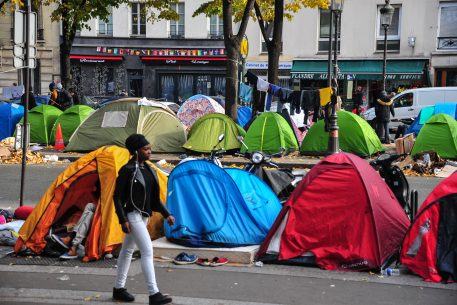
Concebidos para acoger temporalmente a quienes huyen de los conflictos, los campos de refugiados se transforman en entidades urbanas donde sus residentes tratan de reconfigurar su vida.
La arquitectura de la acogida de refugiados requiere un enfoque que aúne movilidad, dignidad y respeto, pero también ecología, rapidez de instalación y reciclaje de la construcción.
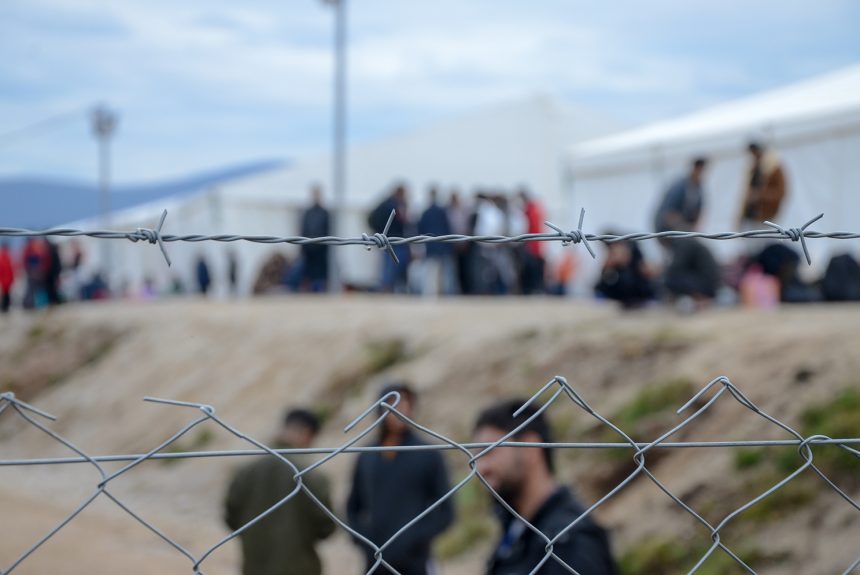
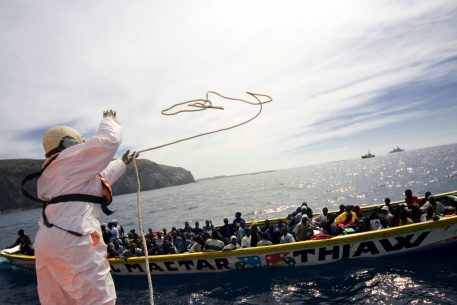
During the last decade, the issue of migrant and refugee arrivals on European shores in the Mediterranean has undoubtedly been a constant key topic on European political agendas, as well as in the media and as a civil society concern.
The Mediterranean has long been a major migratory region, but the factors responsible for this mobility have gradually become more diverse.
There is no doubt that what has been termed the migration or refugee crisis in Europe has been framed in the public and media discourse as the defining phenomenon of the second decade of the 21st century.
The “Western Balkan route” became a well-known term for public debates throughout the EU. With the EU-Turkey deal in March 2016, the number of migrants passing through the Western Balkans has been significantly reduced.
The largest refugee crisis since the Second World War became a major challenge for the EU in 2015. The crisis is far from over and the need for managing the difficult tasks seems to be interconnected with a political crisis in the EU.