Over 2019 and 2020, the royal and state agenda was r marked by the emergence of the health, social and economic crises linked to the coronavirus and a renewed social unrest challenging the violation of individual freedoms.
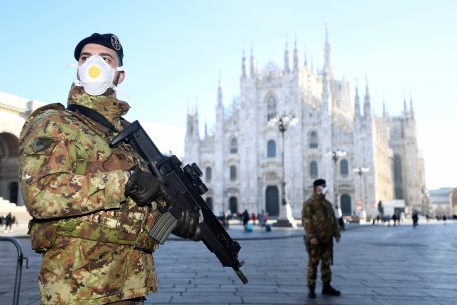
The COVID-19 pandemic can, in all respects, be considered among the most consequential geopolitical events of recent times. It has drastically changed our everyday lives and severely hampered economic activities on a global scale.
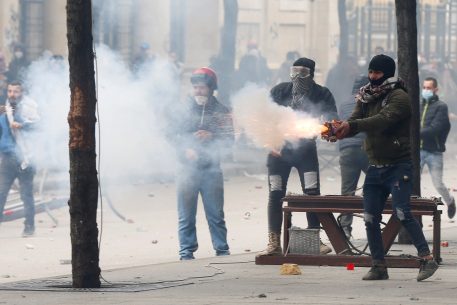
Lebanon’s luck ran out in 2019. The country’s unsustainable debt, bad governance, internal contradictions and vulnerability to foreign interference, finally caught up with it, sending the country into economic freefall.
The year 2019 was a relatively quiet one for Jordan, after the protests of 2018. However, instability persists in the government, which has been reshuffled four times in just over a year.
The lack of channels for social demands creates the conditions for sudden explosions of anger. The COVID-19 pandemic has revealed some latent contradictions within Egyptian society.
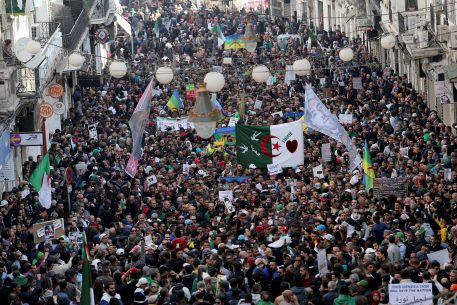
Politically weakened, economically failing and socially in turmoil, Algeria has not been spared the COVID 19 pandemic.
In its response to the Arab revolts, the EU only engaged marginally with their urban causes, and above all from a technical rather than political perspective. Euro-Mediterranean cultural cooperation programmes were an exception.
Las protestas en las calles del mundo árabe el año 2011 tienen un peso específico diferente al que pueden tener las protestas que se registran con reivindicaciones similares a otros lugares del mundo.
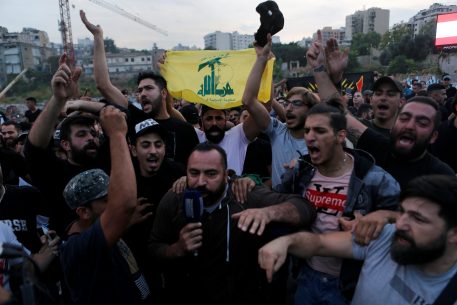
Since its creation, Hezbollah’s resistance to Israel has given the party great popular legitimacy. However, the Party of God is today the target of the anger of large segments of Lebanese society.
Los orígenes de las protestas en el Líbano se pueden resumir en dos palabras: neoliberalismo y sectarismo. El partido Hezbollah acusa al movimiento de protesta de estar controlado por intereses extranjeros.
Walid Abdelnasser, director de la Oficina para los Países Árabes de la World Intellectual Property Organization (WIPO), repasa el desarrollo histórico del sistema de propiedad intelectual en el Magreb y en Oriente Próximo.
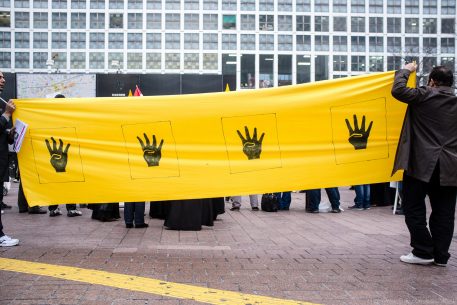
La situación del Islam político en el mundo árabe ha experimentado cambios rápidos y sin precedentes en los últimos años.