The transition to a green economy requires nothing short of a major, structural transformation of economic models, domestic and global. The scale and pace of the change needed and the high level of uncertainty require bold commitments.
La crise actuelle fait apparaître la nécessité pour les pays d'Afrique du Nord de réévaluer leurs stratégies énergétiques et d'accélérer la transition vers une énergie propre.
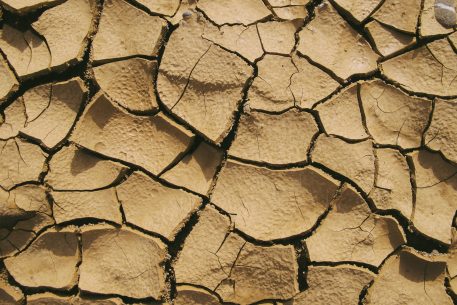
Climate change is a major governance challenge in the Middle East, but water and food availability in the region is currently affected more by unsustainable groundwater extraction, demographic change, and unregulated transboundary water flows
Climate Change is arguably the greatest challenge faced by humanity. Its potentially devastating consequences pose a threat to human activities and to human life itself.
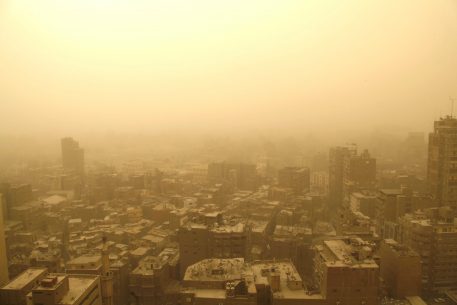
Mediterranean climate change has been observed at a magnitude exceeding global means, despite the fact that the emission of greenhouse gases (GHGs) in Mediterranean countries lies at relatively low levels.
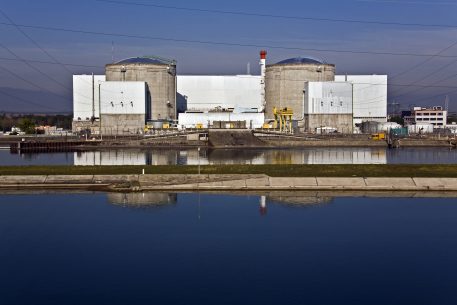
While European Mediterranean countries are moving towards reducing the share of nuclear electricity in their energy mix, nuclear energy seems to have found new ground in the Middle East and Turkey.
The Barcelona Process turns 25 at a time when COVID 19 is putting a strain on the responsiveness of governments, the resistance of economic systems and the resilience of populations almost all over the world.
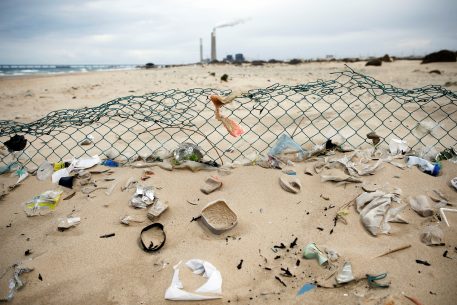
Plastic drainage from coastal populations into the Mediterranean Sea has been estimated at approximately half a million tonnes per year, which means that it accounts for over 7% of the global load of plastic from land into the ocean.