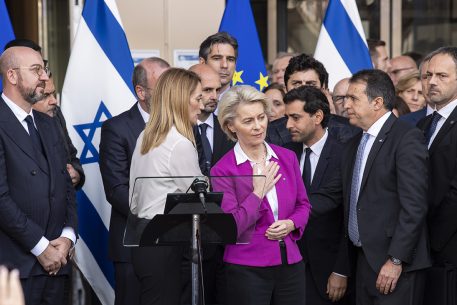
Rebuilding the EU's image as a constructive and cohesive force for peace in the Middle East should be a priority but this is easier said than done.
The Abraham Accords are likely to survive the war on Gaza, as economic, political, security and defence interests now far outweigh support for the Palestinian issue.
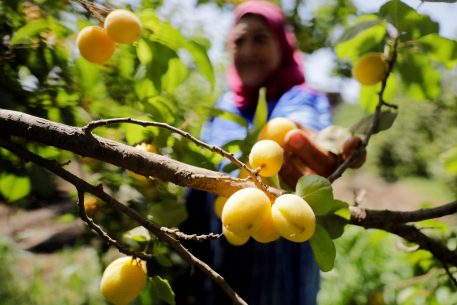
Experience in Tunisia suggests that it is relatively easy and uncostly to adapt most forms of infrastructure for most locations to the likely impacts of climate change up to 2030.
The Mediterranean will regain its centrality if it develops a policy that articulates a geostrategic relationship between Africa and Europe through the Mediterranean Sea.
Migratory moves in the Sahel are on the move and they cannot be stopped, but their movements are forced and involuntary.
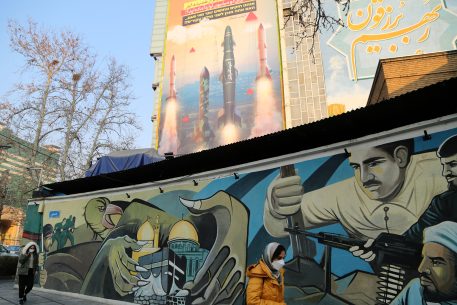
Analysis of Iran’s posture vis-à-vis Israel and the war in Gaza, along with recent geopolitical developments in the region, shows that Iran has maintained a consistent strategy based on resistance and support for non-state groups such as Hamas.
Only through knowledge, rigour and analysis can we lay the foundations for promoting solutions that bring us one step closer to peace and prosperity in the region.
The existing gaps in mainstream Western media’s coverage of the Gaza crisis highlight the significance of social media platforms.
There is no truly viable alternative to a new Palestinian authority resulting from a national unity agreement in the framework of a new approach to the occupation.