After the rupture of diplomatic relations between the United States and Iran due to the occupation of the US embassy in Tehran, the extremely poor bilateral relations seemed detrimental to the evolution of relations between Iran and the Gulf states.
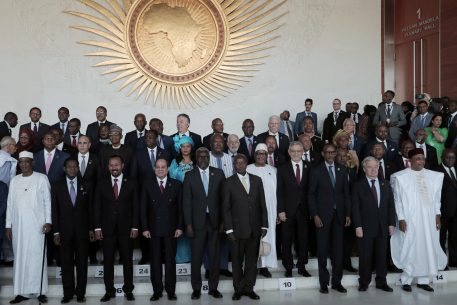
With Europe caught up in responding to the health and economic crises at home, and Africa facing already devastating economic consequences, the basis of the relationship has shifted.
Geographically, the Maghreb is an integral part of the African continent. And yet, very often, the countries and societies from the Maghreb have given priority to other geographic or cultural identities.
While restoring global health remains the top priority, it cannot be denied that the strict measures enforced have caused massive economic and social shocks.
In the last years of the 2010s, the competitive intervention of rival powers in the Syrian crisis escalated into a contest to carve out spheres of geo-political influence in the country.
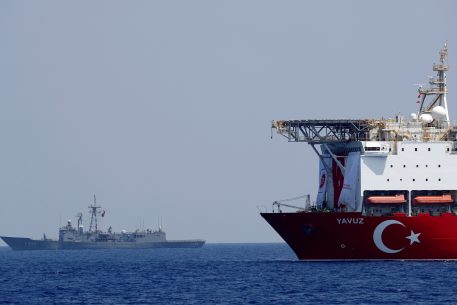
The decision of Erdogan to deploy the Fatih drilling ship to perform drilling inside the undemarcated Continental Shelf of the Republic of Cyprus in May 2019 constituted a major turning point in Turkey’s strategy for the eastern Mediterranean.
Back in February 2018, the European Commission published its Strategy for the Western Balkans. The Strategy offered a clear path towards reform and EU membership for candidate countries.
Beyond speeding up the transition towards a more digital world, the COVID-19 pandemic is shining a light on serious equity challenges, as all are not equal in terms of access to the Internet and the capacity to navigate the web.
The United States has been a Mediterranean power for well over 200 years, but without devoting much attention to the Mediterranean as a strategic space in its own right.
The Turkish intervention in Libya has changed the course of the conflict. The heterogeneous coalition of militias which support the Government of National Accord (GNA) has recovered almost all of Tripolitania.