Plastic drainage from coastal populations into the Mediterranean Sea has been estimated at approximately half a million tonnes per year, which means that it accounts for over 7% of the global load of plastic from land into the ocean.
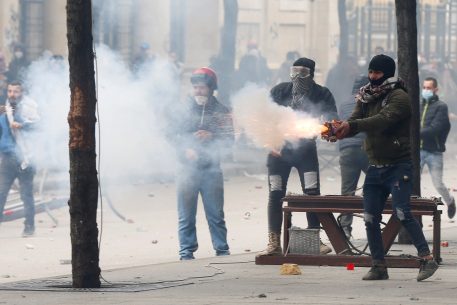
Lebanon’s luck ran out in 2019. The country’s unsustainable debt, bad governance, internal contradictions and vulnerability to foreign interference, finally caught up with it, sending the country into economic freefall.
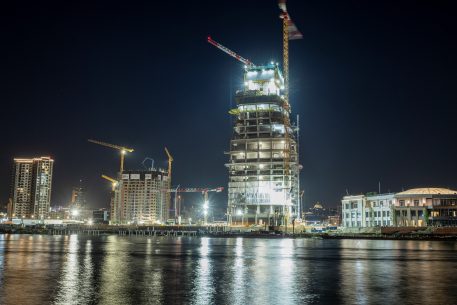
Over the course of the 2010s, relations between the United Arab Emirates and several countries of the Western Balkans have increasingly tightened. Starting from 2010, good relations have been propelled by a boom of investments.
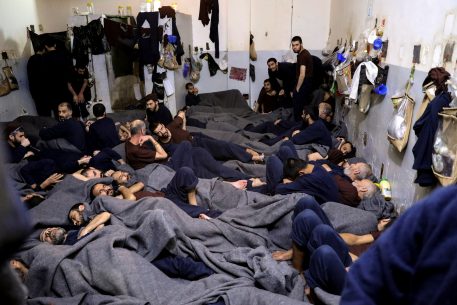
In the spring of 2019, the Kurdish-led Syrian Democratic Forces recaptured the territory held by the Islamic State group in Syria. As they did so, they found themselves holding thousands of people who had travelled from around the world to join ISIS
The year 2019 was a relatively quiet one for Jordan, after the protests of 2018. However, instability persists in the government, which has been reshuffled four times in just over a year.
This year, as it celebrates the 25th anniversary of the Barcelona Declaration and the launching of the Euro-Mediterranean Partnership, the European Union is dealing with a flurry of new actors that have recently emerged in the Mediterranean region.
The lack of channels for social demands creates the conditions for sudden explosions of anger. The COVID-19 pandemic has revealed some latent contradictions within Egyptian society.
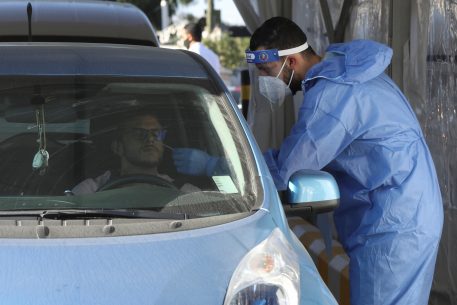
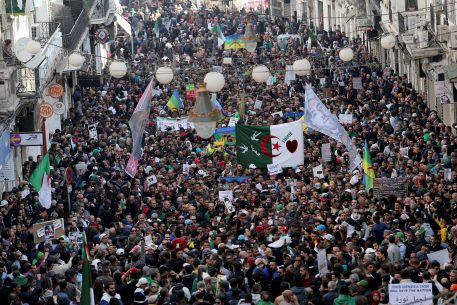
Politically weakened, economically failing and socially in turmoil, Algeria has not been spared the COVID 19 pandemic.
Yemen entered its sixth year of conflict in March 2020. Yemeni confrontations and foreign armed interventions on its soil have caused “the worst humanitarian crisis in the world,” according to the UN.
Despite the setbacks caused by the great pandemic of 2020, China's Belt and Road initiative is likely to actively shape the post-COVID-19 realities in the Balkans.