The following questions are important to address in any discussion on inequality, whether in Arab states or elsewhere: Should we be concerned about social and economic inequalities? What forms of inequality matter the most and why?
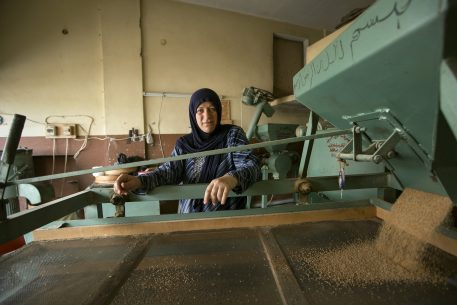
The idea that women’s empowerment plays an important role in economic development has long been evidenced in the literature. Several studies have confirmed that lower or weak female labour force participation hinders economic growth.
The 2008 Report on the implementation of the European Security Strategy included “cybersecurity” for the first time among the priorities of the EU’s external action.
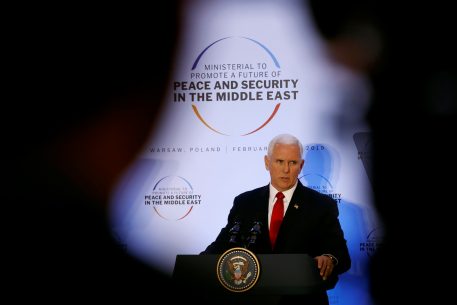
There is a tendency to obsess about American presidential rhetoric and the swirl of partisan commentary as a means for interpreting US foreign policy and strategy. Such a focus obfuscates an understanding of American statecraft and defence.
More than eight years after the 2011 uprising that toppled 30-year ruler Hosni Mubarak and six years after the military coup against Mohammed Morsi, President Abdel Fattah al-Sisi tightens his grip on Egypt.
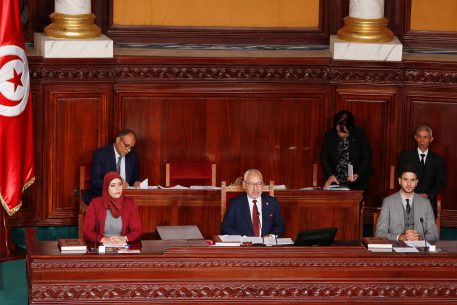
Throughout 2018, Tunisia has been witness to a process of disaffection towards its institutions and political class, revealing the limits of the consensus the country’s political life has revolved around in recent years.
The Eastern Mediterranean and the Gulf region remain an extremely turbulent and unstable neighbourhood. There is a general failure of governance and a long list of frequently interacting security problems.
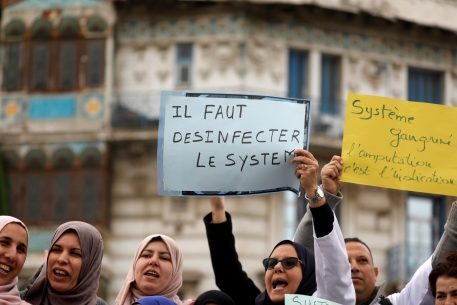
Since 1999, Algeria’s main characteristic has been its political stability. For others, however, this period is less one of stability than of total inertia.